The Alchemy of the Hearth: Victorian Kitchen Restoration (Part 2)

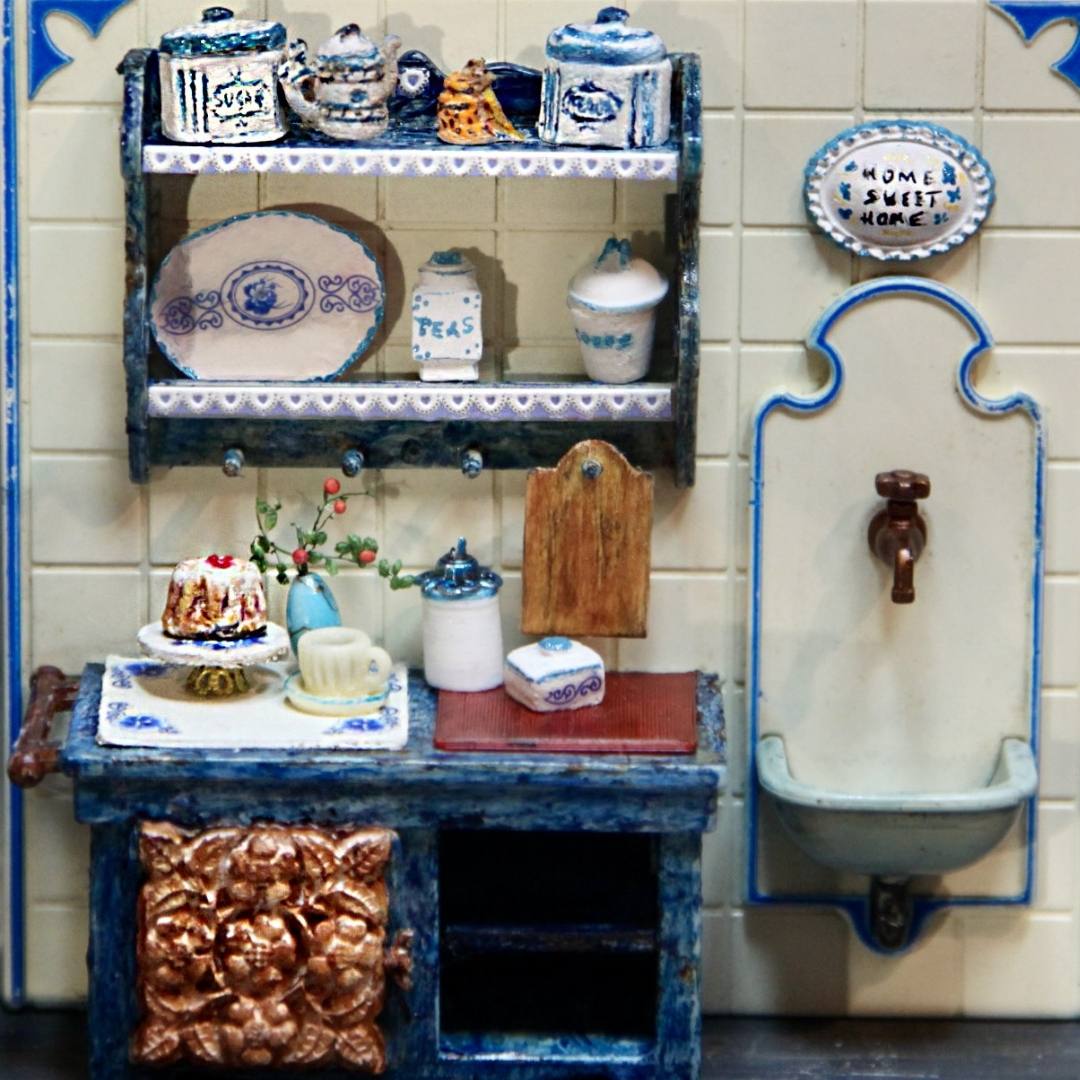
In the second phase of this restoration, the focus shifts to the heart of the kitchen: the wet area. To transform a sterile miniature into a space that feels heavy with history, I’ve moved beyond simple painting and into the realm of material aging and bespoke embellishment.
The Painted Patina
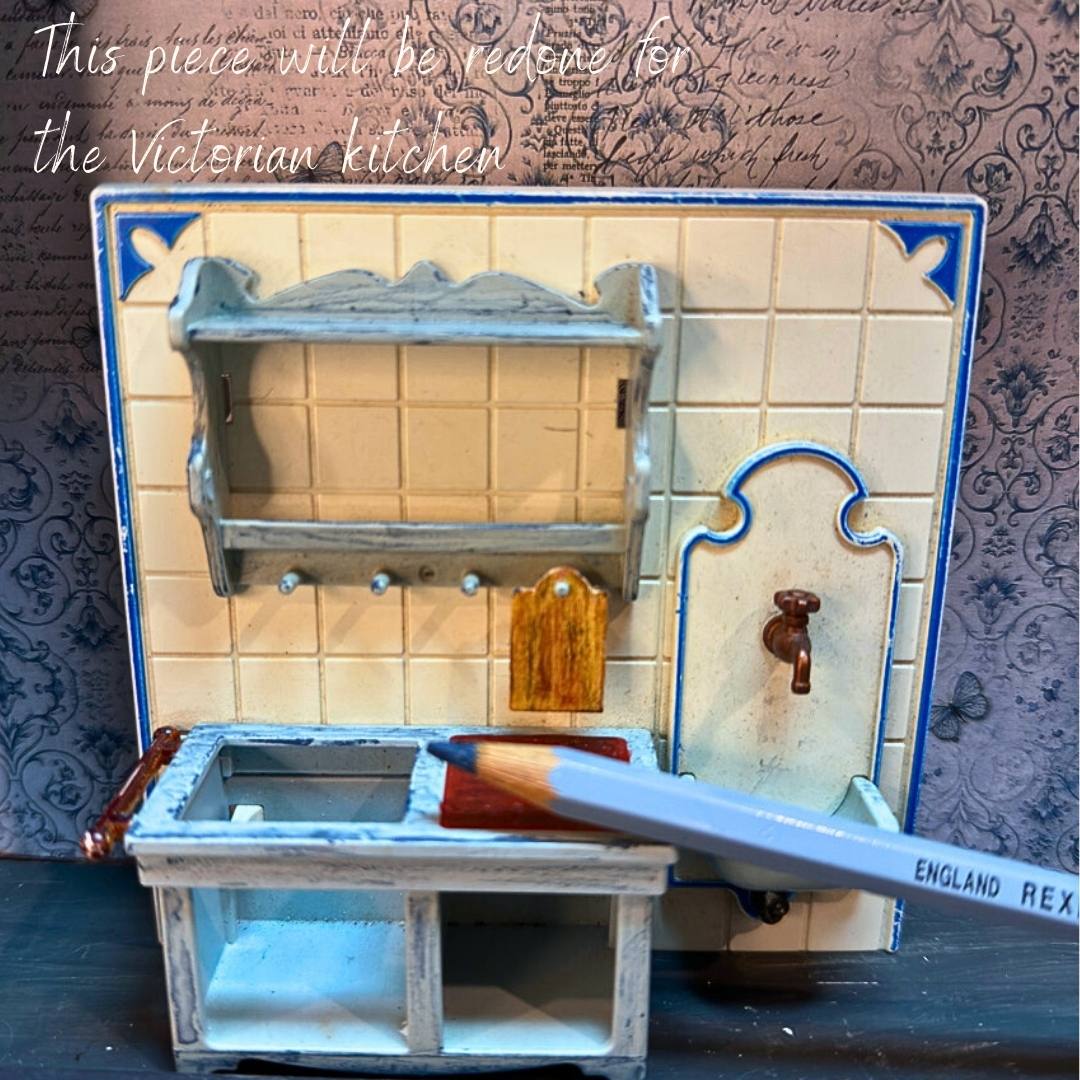
Just as with the iron stove, the sink area required a deliberate weathering. My preferred medium for this exploration is watercolor pencils. They offer a unique versatility—acting as a soft, erasable base layer that allows me to "sketch" the shadows and grime of decades of use before committing to a permanent finish.
Fine-Scale Ornamentation
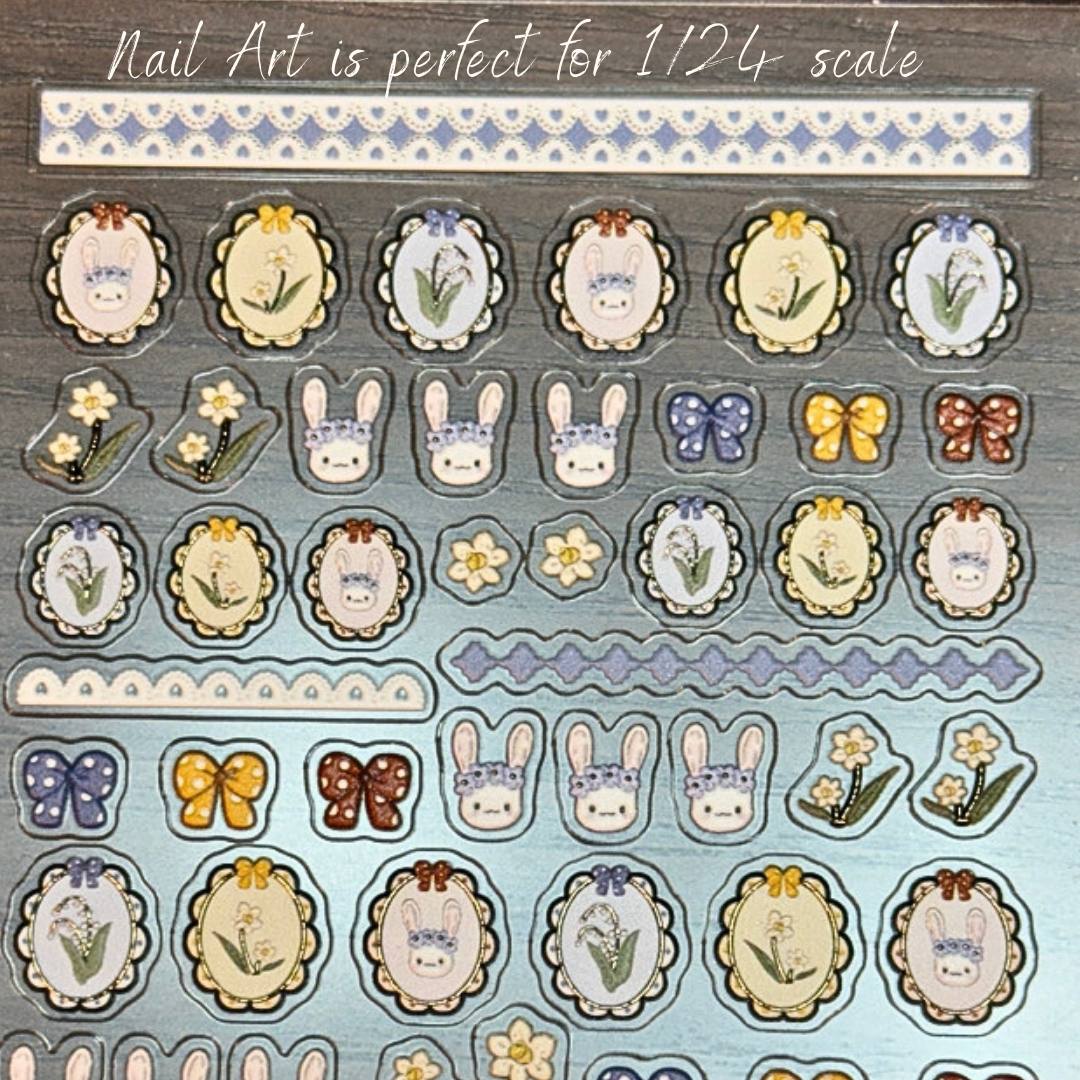
Achieving intricate patterns in 1/24 scale—a world half the size of standard miniatures—requires unconventional tools.
-
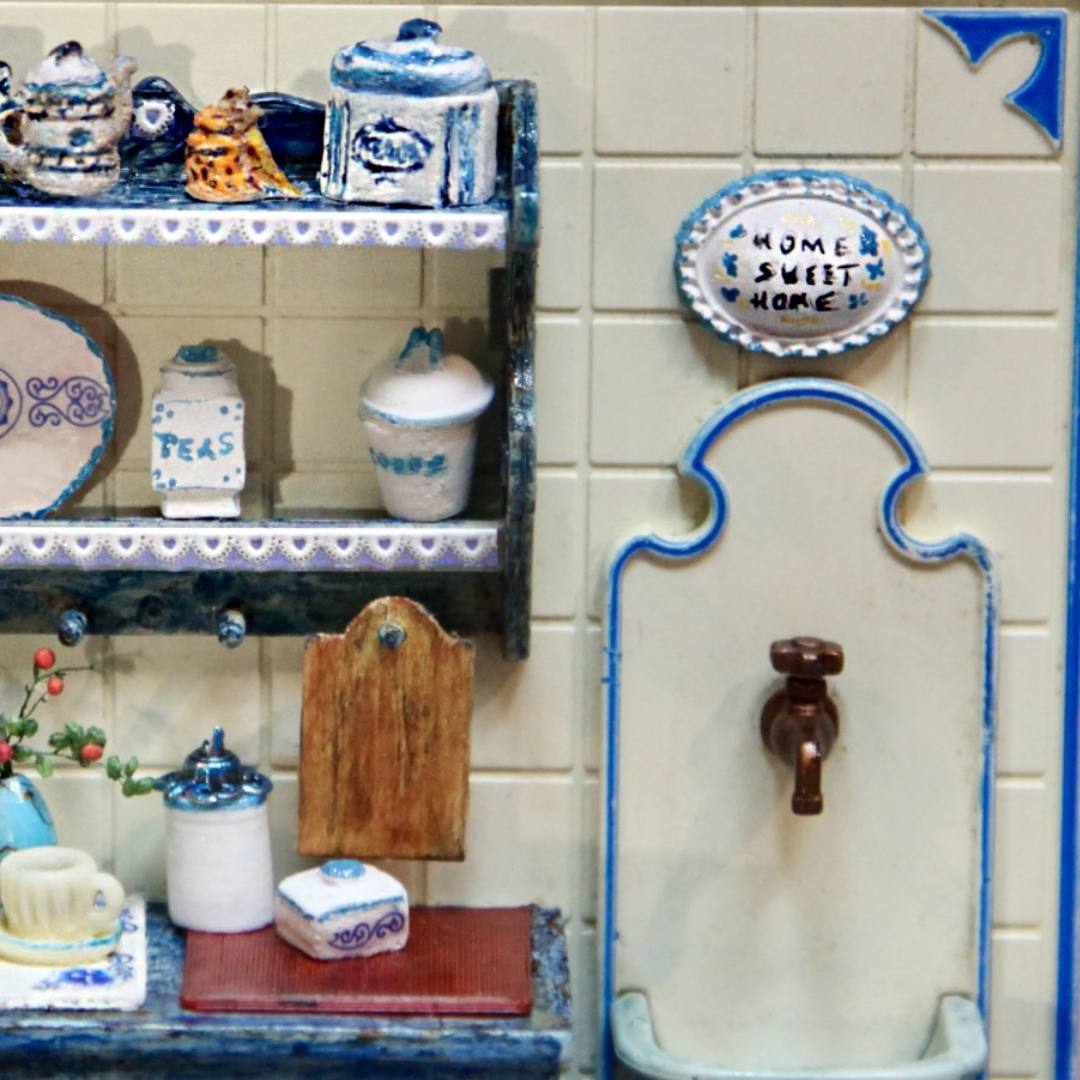
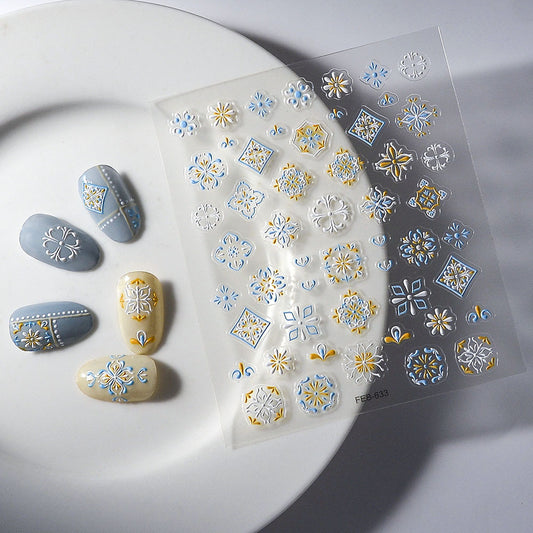
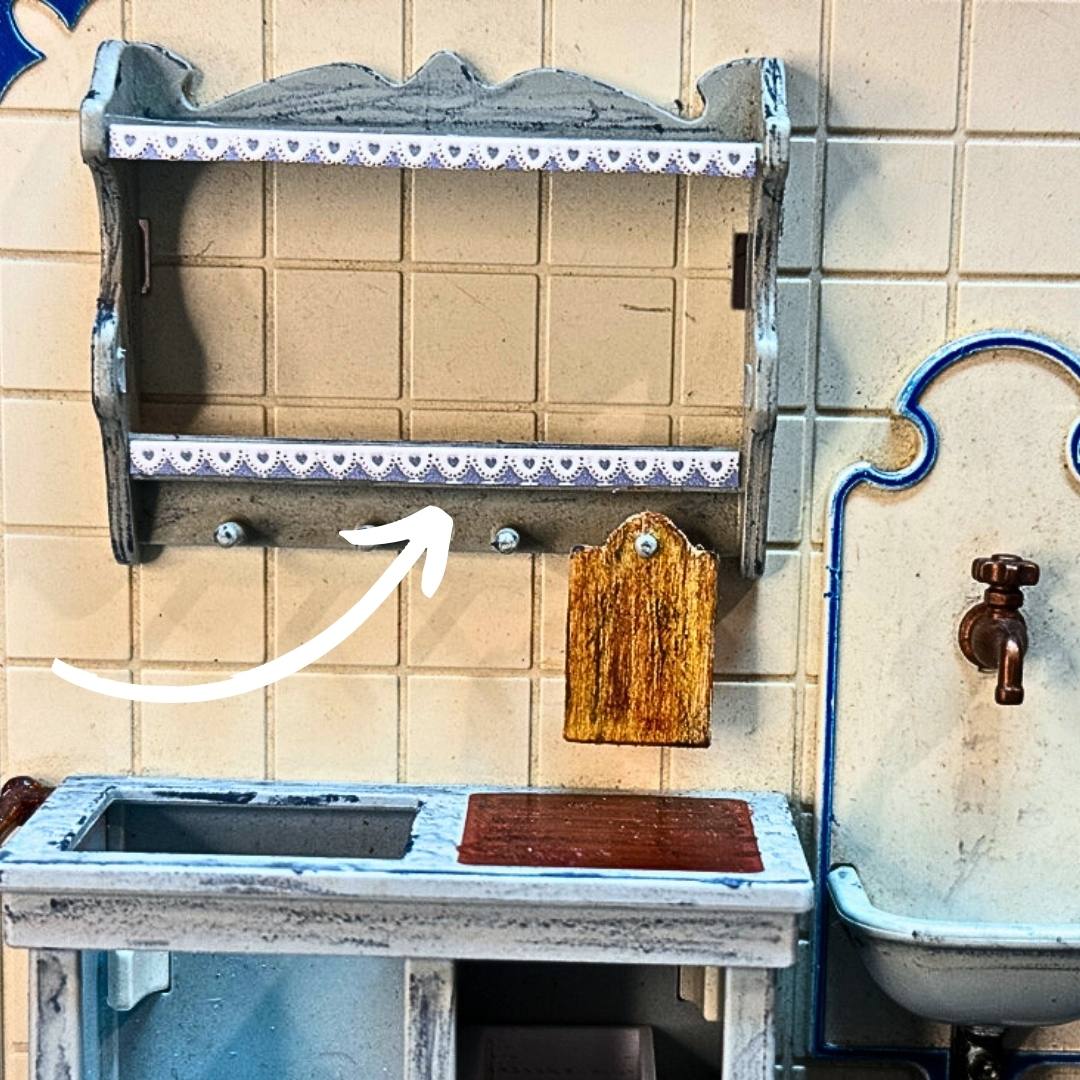
The Shelf Gallery: I’ve found that high-end nail art stickers provide the perfect architectural scale for border embellishments. These delicate patterns were used to trim the shelving, adding a layer of Victorian complexity to the cabinetry.
-
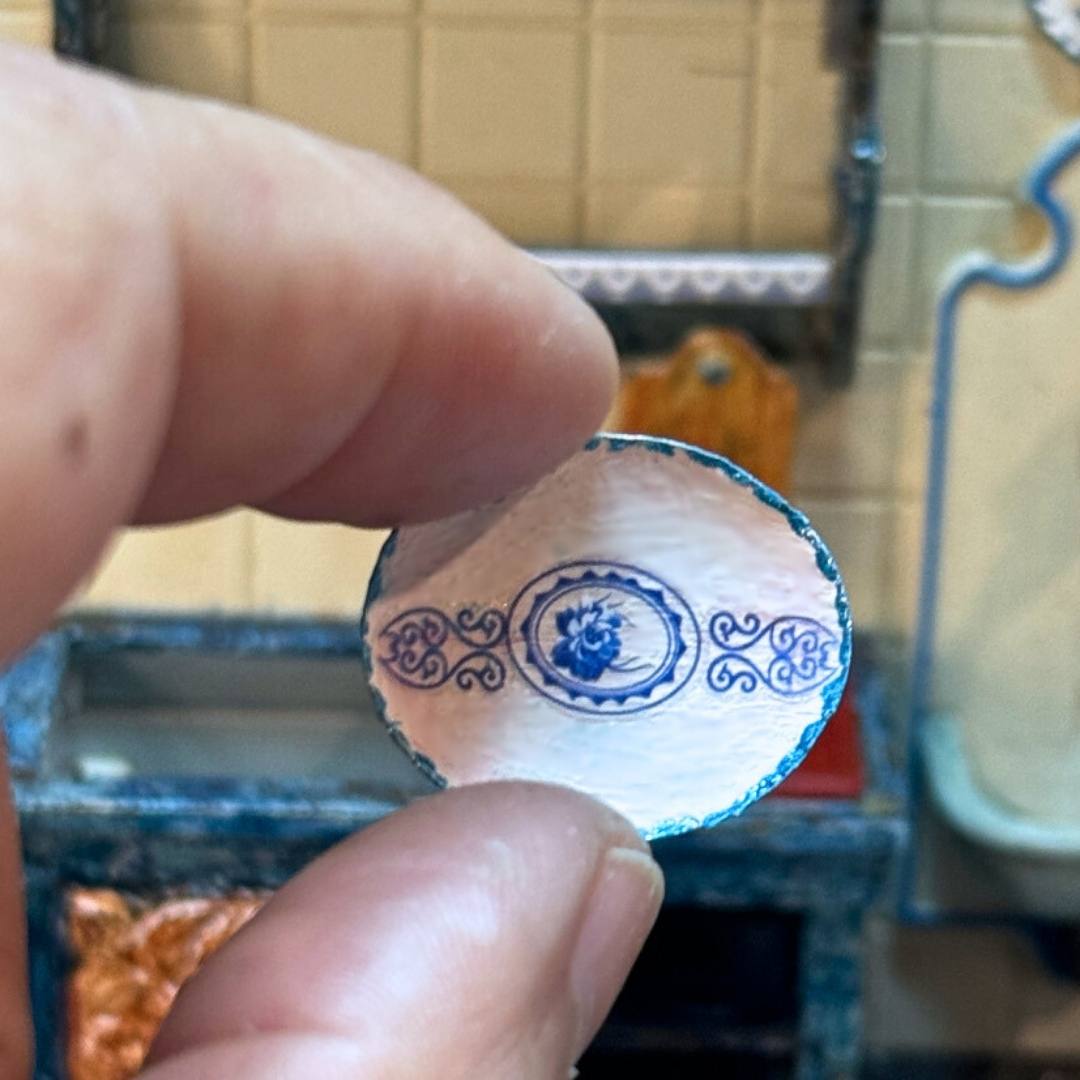
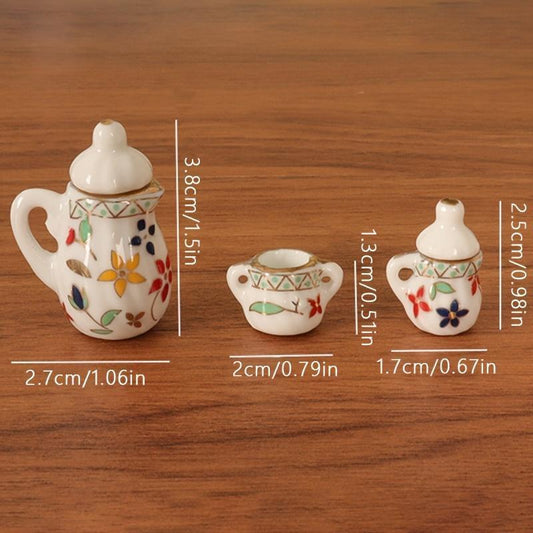
The Ceramic Story: These same adhesive patterns were applied to miniature platters and tea canisters, then sealed to mimic the look of traditional transferware.
Sculpting the Narrative
To breathe life into the scene, I’ve introduced a series of hand-molded elements made from air-dry clay and resin.
-
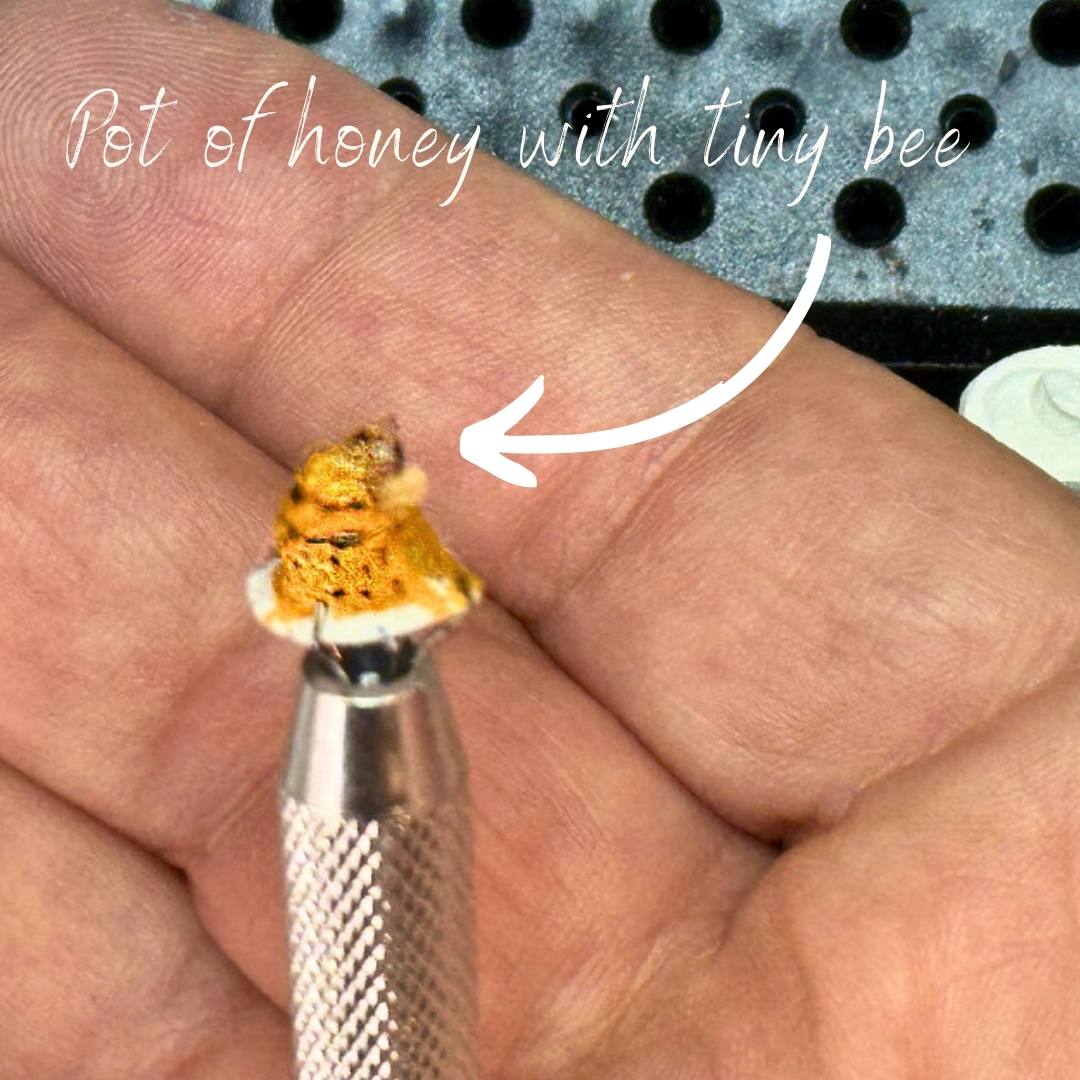
The Honey Pot: A focal point of the counter, this piece features a "dripping" resin honey effect and a microscopic, hand-sculpted bee. It provides a warm, organic pop of color against the cool tones of the room.
-
The Carved Woodwork: The cabinet door, which appears to be heavy, aged oak, is actually a paper clay casting from a custom mold, finished with layered oil paints to achieve a deep, translucent grain.
The result is a space that no longer feels like a reconstruction, but a captured moment in time—a kitchen that smells of honey, damp stone, and history.